Herbal Medicine Archives

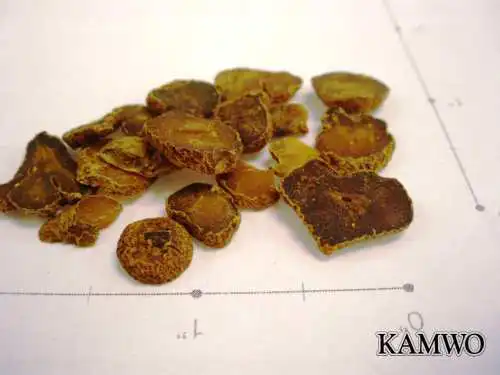
A little known Chinese herb has been receiving a lot of attention for its benefits for Polycystic Ovarian Syndrome, inhibiting tumor growth and now for Rheumatoid Arthritis (RA). In PinYin (the Romanization of Mandarin) it is known as Lei Gong Teng. Its botanical name is Tripterygium Wilfordii . Two thousand years ago the Chinese classified this herb as one that “dispels wind and dampness”. RA is often known as a wind and damp condition in Traditional Chinese Medicine (TCM). Read the rest of this entry

Vitamin D was named the “Vitamin of the year” a couple of years ago by the nutrition journals.  There are new articles coming out every month about the impact this vitamin/hormone and its amazing amount of physiological functions.  There have been several studies that show Vitamin D’s role in modulating the immune system  including this one just published last week.  What this study tells us is that if you often gets upper respiratory infections then you may have low vitamin D levels.   So do ask your PCP to order you a Vitamin D panel.  Read the rest of this entry

Here is a research article from several years ago showing that acupuncture and Chinese Herbal Medicine is effective for seasonal rhinitis. (Of course it came out of Germany as they lead the world in non-invasive medical care). I certainly have many patients that call right before the springtime allergy season for their tuneups. It really helps either eliminate or cut down on their medications. Read the rest of this entry

Once again another Chinese herb is proven by modern research to work as written 2000 years ago. A Cochrane database study just released concluded that hawthorn is an effective treatment for chronic heart failure. Shan Zha or hawthorn fruit has been known for close to two thousand years to “increase blood circulation and relieve blood stasis.” Read the rest of this entry

Ginseng for 27 yo healthy male????

Here is an email question I received today:
I’m 27 and live an active lifestyle. I would like to take ginseng for energy, but there are so many kinds and forms. What kind of ginseng should I be taking? I like to shave the root into tea. What about capsules and/or liquids, are these good options?

My reply:
To answer the first question are you healthy and feel you have enough energy? Do you have any fatigue, low sex drive, wheezing,or internal cold feeling? What is your reason for wanting to take the ginseng? Since you are young and active taking Panax Ginseng (Asian, Korean, Chinese, Red are names of Panax) will eventually cause you to burn out down the road. Similar to revving your car engine to high RPMs to go faster only to blow a headgasket down the road. This is especially true of the more ‘yang’ forms of ginseng known as Panax Ginseng (or Asian) with Korean Red being the most yang since it is heated and dried making it even more yang.

Unfortunately many Chinese herbs are now being used indiscriminately as single herbs. A Chinese herbalist would hardly ever prescribe a single herb as it is always in combination with other herbs so that they balance the effect of each other and also have a synergistic effect. A Master Herbalist teacher of mine said that that Panax Ginseng should never be given to anyone under 40 years of age. Too much yang burns the yin….keep revving the engine and it will eventually blow. What does blowing the engine look like in the body? Fatigue, exhaustion, low back pain, low sex drive, not what you want. Remember just because these are natural does not mean they are safe. This is medicine and herbal medicine has side effects!

Now there are other forms of Ginseng, one is American Ginseng (Panax Quinquefolium) which does not have the same revving effect of Panax Ginseng. American ginseng which used to grow wild all over the United States in the 1800′s and was a major exported item to China from the northeast seaports such as Boston can be taken as a tonic. It is a yin tonic and rather cooling. It doesn’t give that yang rush of energy, but helps nourish the fluids of the body. Think of it more as supporting the fluids of the body if there is a deficiency. Another type of ‘ginseng’ you might have heard of is Siberian or Eleuthero Ginseng (Acanthopanax senticosus). This isn’t a Ginseng at all and was given an expensive name for an inexpensive herb. It mildly helps with fatigue and lack of energy.

So at 27 if you are healthy and in good shape then you might want to save your money and not purchase any ginseng at all. If you do not have any fatigue, sex drive issues, or feel cold inside then you definitely do not need any of the Asian (Panax Ginsengs). It could very well cause you more harm, although when you first take it for a few months it may make you feel like superman. Or super stud. If you have some wheezing issues, unquenchable thirst, weak cough or fatigue then American Ginseng would be a good choice. Also as I mentioned American Ginseng is milder so it can be called for if you are an athlete working out heavily. Then taking a mixture of American Ginseng with Astragalus might be a good choice to help the body deal with the added stress.

As far as form is concerned I always prefer the raw form of the herb cooked in water. The Chinese pharmacopoeia is based on water extracted herbs. Taking the entire powdered form of the herb will be different than making a tea since you are getting all the phytochemicals, plus all the contaminants. Taking an alcohol extract can sometimes create an entirely different product than the water boiled form, since alcohol strongly extracts out the lipid (fat) soluble phytochemicals whereas boiling will bring out water soluble phytochemicals. This can create very different characteristics between herbs as Chinese herbs are typically water extracted and Western herbs are typically fat soluble extract. This explains why the same herbs can have different characteristics in a Western pharmacopeia text vs. a Chinese pharmacopeia text.

So back to your original question I would need to know more about your current health and level of activity before recommending herbs. A Chinese herbalist will look at your pulse, tongue and other signs and symptoms before recommending an appropriate formula. If you do not want to go to a Chinese herbalist and you are an athlete or under a lot of stress then take small amounts of American Ginseng mixed with Astragalus, about 40/60. This will help you deal with stress and keep immunity strong.