Tuesday, November 9th, 2010 at
8:52 am
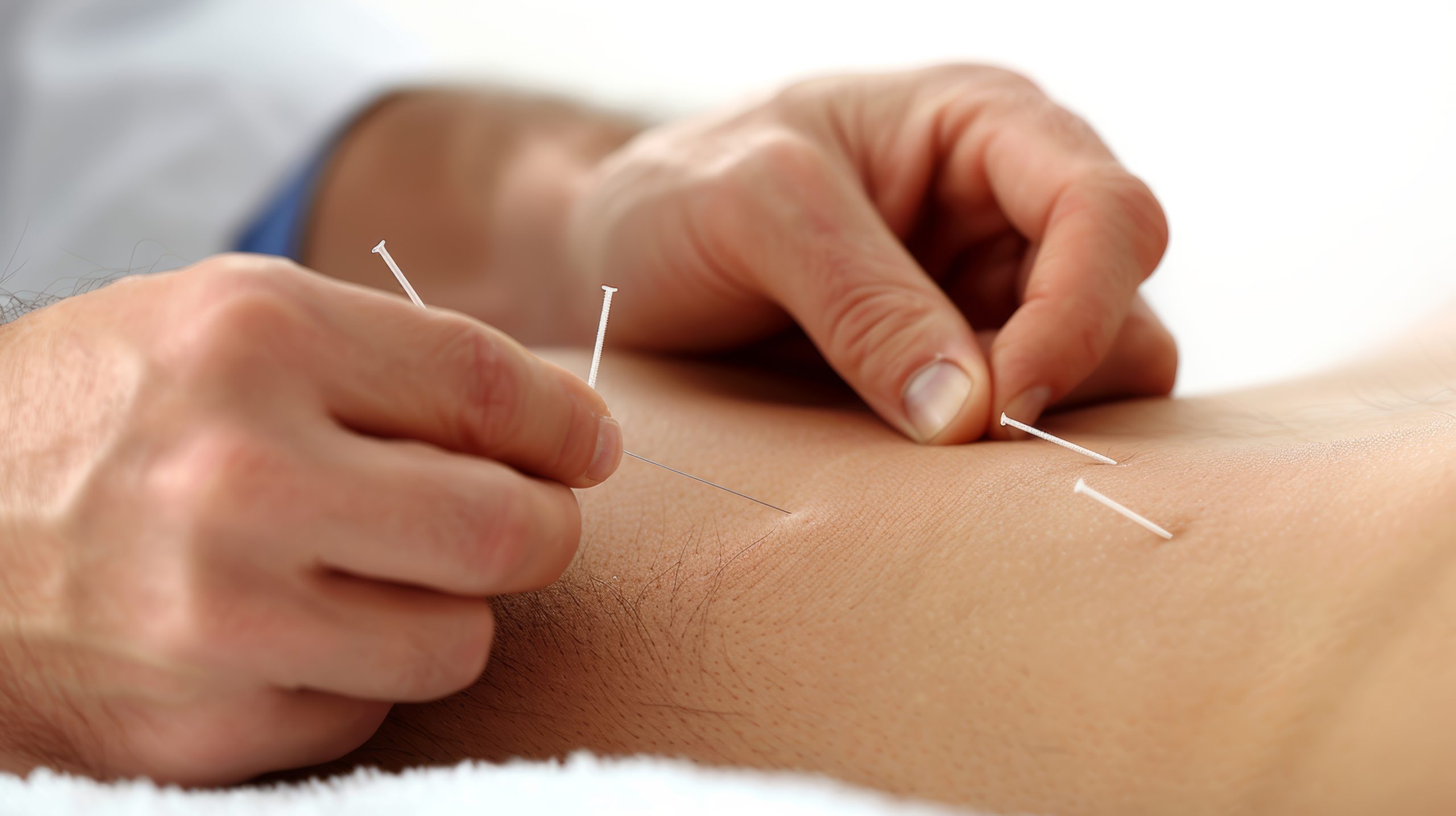
Acupuncture reduces crying in infants with infantile colic: a randomised, controlled, blind clinical study.
Landgren K, Kvorning N, Hallström I.
1Department of Health Science, Lund University, Lund, Sweden.
Abstract
OBJECTIVE: To investigate whether acupuncture reduces the duration and intensity of crying in infants with colic. Patients and methods 90 otherwise healthy infants, 2-8 weeks old, with infantile colic were randomised in this controlled blind study. 81 completed a structured programme consisting of six visits during 3 weeks to an acupuncture clinic in Sweden. Parents blinded to the allocation of their children met a blinded nurse. The infant was subsequently given to another nurse in a separate room, who handled all infants similarly except that infants allocated to receive acupuncture were given minimal, standardised acupuncture for 2 s in LI4. Read the rest of this entry
Thursday, November 4th, 2010 at
10:52 am
I get frustrated and sad when I hear a friends kid is on antibiotics, especially if they are under 2 years of age. There is little doubt that antibiotics cause stress to the gut mucosa lining. There is also clear indication that antibiotics may not be useful for the common infant/toddler ear and sinus infections. The good news is that many pediatricians are cautious to only use antibiotics as a last resort. There are other options such as dietary changes (often sugar or cow’s dairy can be a culprit), increasing vitamin D levels and using essential oils. Chinese Medicine has a 2000+ year history of treating common infant/toddler issues that existed a millennium ago as they exist today. There are many alternatives before one subjects their child to antibiotics. Read the rest of this entry
Thursday, November 4th, 2010 at
10:22 am
Back during my high school football days I recall Coach V. always giving players an earful if they missed school because they were sick. If we missed school we were not allowed to practice and if we missed school on a Friday we were not supposed to play on a Saturday. He’d say “You are supposed to be in shape, how can you get sick? If you were in better shape you wouldn’t get sick”. Read the rest of this entry
Thursday, October 21st, 2010 at
12:32 pm
For many years I’ve strongly recommended to my perinatal patients that they take a high dose DHA fish oil supplement. DHA is docosahexaenoic acid found in fatty fish which is one of the beneficial longer chain fatty acids we get from fish – the other being EPA (eicosapentaenoic acid). I’m not sure where I first learned of the benefits of DHA for the brain and using it during pregnancy, but it makes sense given the plethora of research on its neurological benefits.
I had my wife take a high DHA fish oil throughout pregnancy and 2 years of breast feeding. The proof is in the pudding as our child will be attending Harvard next fall. He is only 2 years old.
Read the rest of this entry
Thursday, October 14th, 2010 at
8:07 am
For many years alternative MDs and practitioners have been against the use of a class of drugs known as bisphosphonates for improving bone density. The most popular bisphosphonates is Fosamax. The bones in our body are constantly breaking down and reforming. It is said by some that every 7 years you have a new skeleton. Bones are dynamic and living not static structures – hence lies the problem with taking bisphosphonates long term. Bones are broken down by cells called osteoclasts and new bone is created by cells called osteoblasts. Bisphosphonates block the formation of osteoclasts so that bone cannot be broken down. This most definitely will increase bone density and in the short run reduce fracture risk. However can you see what the long term consequences of this are? It creates brittle bones. The bone cells become dried out because they should have died and been replaced by new cells, but the bisphosphonates prevented the destruction of old cells. Another study was just released that showed long term use of bisphosphonates increases fracture risk.
Read the rest of this entry
Friday, September 3rd, 2010 at
8:12 am
A recent study has shown that women who are the most stressed have the least likely chance to conceive. Basically stress plays a huge role in conception which is why so many people that try and try to conceive cannot. Then they go away on vacation and get pregnant. We’ve heard these stories many times and I and others believe this is true, but the recent study has now given it more credence.
In this study they checked a marker of stress called alpha-amylase. It is an enzyme made in the mouth that helps us digest carbohydrates. But it has also been shown to increase during times of Sympathetic Nervous System (SNS) dominance – meaning the flight or fight stage we’ve heard about. Researchers use this marker for determining the stress response in the body because it is easy to measure and it is quick to respond. Women who had the most trouble getting pregnant had higher levels of alpha-amylase than women who conceived.
Read the rest of this entry
Sunday, August 15th, 2010 at
10:53 pm
It is widely knows that the phytonutrient known as isothiocyanates have powerful anti-cancer effects. Isothiocyanate are found in mustard, horseradish, and onions to name a few. It is what gives the herb its powerful biting taste. However another anti-cancer phytonutrient that doesn’t get as much attention is phenethyl ITC (PEITC). Watercress contains high amounts of PEITC. A recent study looked at what happens in women’s blood after ingesting watercress. In particular they looked at a specific blood marker that shows a reduction in cancer cells. What they found is marked inhibition in cancer cell activity, even stronger inhibition than what is found with isothiocyanates.
So next time you have the opportunity to buy fresh watercress please do so. Add some to your salad to give it some bite and reduce your cancer risk as well. Besides watercress is delicious! Read the rest of this entry
Saturday, August 7th, 2010 at
7:09 pm
Thursday, July 22nd, 2010 at
8:16 pm
From British Journal of Dermatology
Background: Previous reports have suggested that certain probiotics given to mothers and children at risk of atopy halves the incidence of atopic dermatitis (AD) at two years of age.
Objectives: The purpose of this trial was to examine if probiotics given to pregnant women in a non-selected population could prevent atopic sensitization or allergic diseases during the child’s first two years.
Methods: In a randomised, double-blind trial of children from a non-selected maternal population (ClinicalTrials.gov identifier: NCT00159523), women received probiotic milk or placebo from 36 weeks of gestation to three months postnatally during breastfeeding. The probiotic milk contained Lactobacillus rhamnosus GG, Lactobacillus acidophilus La-5 and Bifidobacterium animalis subsp. lactis Bb-12. Children with an itchy rash for more than four weeks were consecutively assessed for AD. At two years of age, all children were assessed for atopic sensitisation, AD, asthma and allergic rhinoconjunctivitis (ARC). The intention-to-treat (ITT) analysis was enabled by multiple imputations. Read the rest of this entry
Thursday, June 24th, 2010 at
8:09 pm
There is more and more research being made available how we live in a toxic world that simply did not exists 150 or even 100 years ago. I just read an Associated Press article about the toxic metals in sperm whales.
You can read that story here. Other research has been released about polar bears, sea lions, arctic inhabitants, and and birds to name a small percentage of examples. These toxins start out at birth as outlined by the EWG so there little doubt we all carry a toxic load. Read the rest of this entry