
Friday, March 2nd, 2007 at 3:44 pm
Well another study showing that vitamin D supplementation may save your ass. Literally. It concluded that 1-2 grams of Vitamin D can reduce the incidence of colorectal cancer by over 50%! This is up to five times the RDA for Vitamin D. No doubt plasma vitamin D levels will soon be part of a standard blood screen as it is an inexpensive test. I uploaded the entire research article in pdf here: Colorectal cancer and vitamin D
It is recommended that folks should supplement with vitamin D from Nov – April in the Northeast. There are many supplements available through Emerson Ecologics as well as your local health food store. Make sure you take the active form Vitamin D3, cholecalciferol!
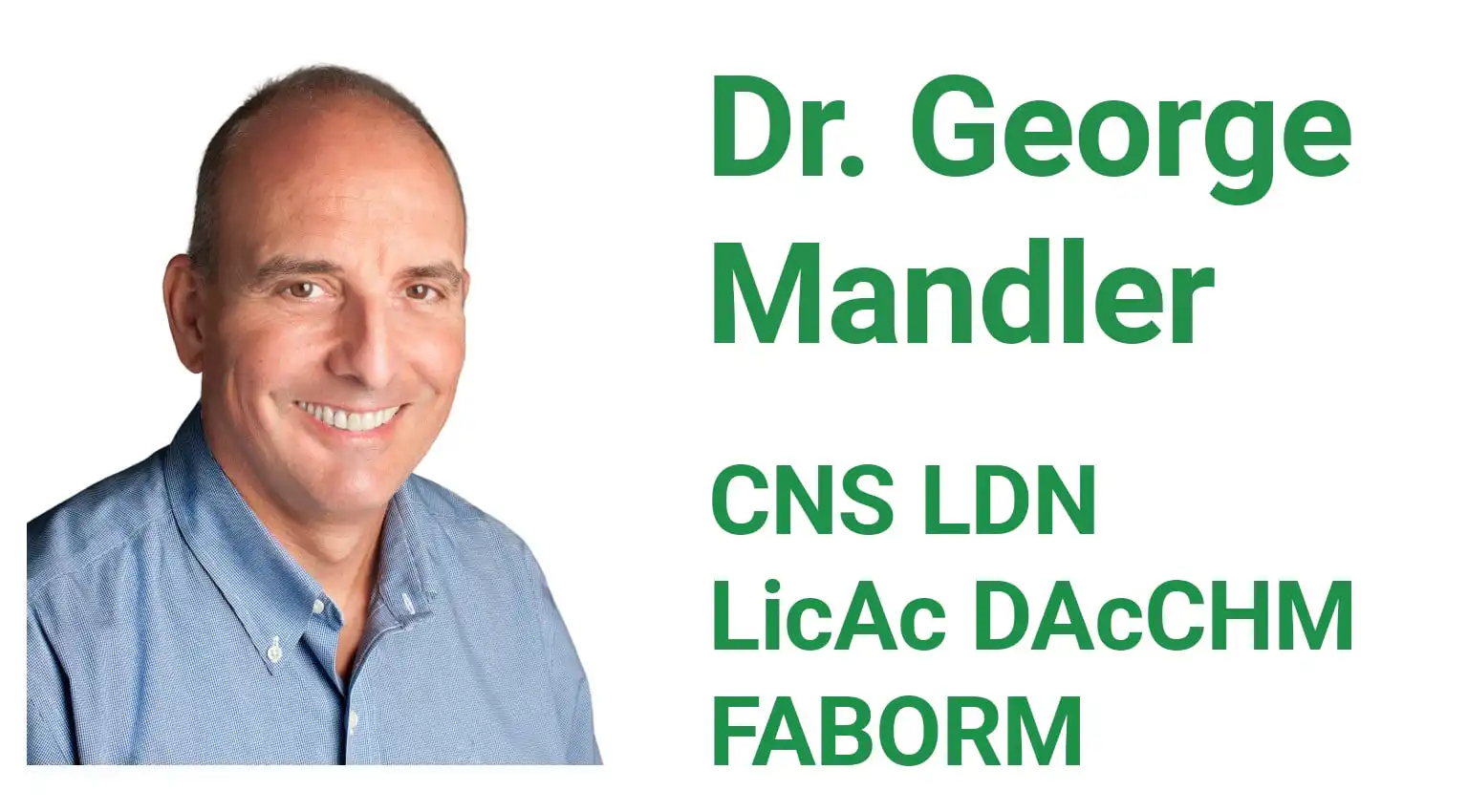
George Mandler
Licensed Acupuncturist & Nutritionist Dietitian
Acupuncture, Chinese Medicine, & Nutrition
Boston, Jamaica Plain, Brookline, Massachusetts
Thursday, March 1st, 2007 at 4:28 pm
In 2004 I wrote an unpublished meta-analysis paper investigating the potential protective mechanism of soy phytoestrogens and breast cancer. The conclusion was that “…the consumption of properly prepared fermented soy foods (miso, natto, tempeh) during adolescence appears to provide a chemoprotective effect later in life. Read the rest of this entry
Wednesday, February 28th, 2007 at 7:45 pm
The well known cruciferous vegetables have been shown to reduce DNA damage in a plethora of studies. These are the cabbages, broccoli, cauliflower, Brussels sprouts, turnips, kale, collards and all those other vegetables that many folks with strong tastes buds tend to dislike. A recent research study looked at whether a lesser known cruciferous vegetable, watercress, also reduces DNA damage. What do you think?
Of course it did! Watercress has a particularly high content of glucosinolates and other potential anticancer phytochemicals including carotentoids. Their study showed that watercress can protect cells against DNA damage.
The watercress is abundent around here in the spring and fall so add some to your salads for the extra antioxidant protection.
In Health,
George Mandler LicAc
Monday, February 26th, 2007 at 10:00 pm
Our American diet is devoid of traditionally fermented foods. Even the saurekraut we purchase in the supermarket has been destroyed of its beneficial bacteria because of pasteurization. Many of us get a bit of friendly bacteria from yogurt and kefir, however even these has been pasteurized causing destruction of beneficial enzymes. After the pasteurization the the cultures we are familiar with are added to create a fermented product.
Numerous studies have shown that we can benefit from taking probiotic supplements. Recently they’ve shown to reduce sinus infections which is interesting from an Oriental Medicine perspective since the large intestine where the majority of friendly bacteria live is directly connected to the lungs and nose. However another study showed that infants with colic can benefit from bacteria. Well of course if there is an overgrowth of bad bacteria in the gut it would make anyone want to cry!
Read research abstract on probiotics and colicky babies
The product I like to use for infants is HLC Neonate or Entrin Children’s . (Both of these are available at discount through Emerson Ecologics if you setup a patient account with me.)
These probiotics are especially important for mothers that are not exclusively breastfeeding!
Sunday, February 25th, 2007 at 3:00 pm
A recent study concluded that lifelong low selenium levels leads to lower cognitive function. The study was based on rural Chinese where it is possible the soil was selenium depleted. If we eat well we may get adequate levels of selenium, but how do we know we are receiving optimal amounts? And if we take a selenium supplement how do we know that we aren’t getting too much, as selenium is toxic in high amounts? Hmm answer below…
Selenium is a metal that the body uses to make selenoproteins. Selenoproteins are used as antioxidants as well as regulating thyroid function. This is why you hear selenium being talked about as an antioxidant. It isn’t really an antioxidant as it doesn’t donate an electron to reduce a free radical such as vitamin C, E etc. However it is needed for the selenoprotein enzyme, but not an antioxidant per se.
Plant sources of selenium are variable based on where the vegetation was grown. It all depends on how rich the soil is in selenium. Same is true for animal meat, the selenium content depends on the makeup of the soil the animals grazed on or the feed they are given. The best known plant source of selenium is the Brazil nut. Also high are certain mushrooms and garlic. Animal foods higher in selenium are beef, tuna , shellfish, salmon, cod.
But how do we know we are getting enough? Should we supplement? Certainly people with digestive issues such a Crohn’s disease, ulcerative colitis, or other intestinal compromised diseases would benefit from supplementation as well as people with low stomach hydrochloric acid (which can occur if you take Tums for the tummy). My favorite minerals are liquid minerals developed by biochemist Patricia Kane, called E-Lytes. You can use a taste test to determine if you are getting too much selenium as if your stores are adequate you will have an unpleasant taste from the mineral. Plus these minerals are in their ionic form so they are easily absorbed even if one has compromised intestinal absorption.
Saturday, February 17th, 2007 at 9:45 am
A new study would have you believe that eating chocolate makes you smarter. At least temporarily as it has been show to increase grey matter for a couple of hours. The study also suggests that the cocoa flavanols found in chocolate could be useful in enhancing brain function for people fighting fatigue, sleep deprivation, and even the effects of ageing.
But you need chocolate with high cocoa content and the cocoa used in the study is not available commercially. However good organic dark chocolate of 75-85% cocoa might do the trick. Black&Green is one of my favorite dark chocolates, but there are others at your local health food store (which is pretty much Whole Foods these days since they buy everyone out).
Chocolate has also been known to help cardiovascular health for the same reason of improving vascular flow. So indulge and enjoy.
Read the research press release.
Saturday, February 10th, 2007 at 1:32 pm
A recent research publication concluded that low UVB exposure and high animal protein intake are associated with an increase in renal cancer. The researchers conclude that the low UVB causes low Vitamin D levels. Here we are again with another study showing that low Vitamin D has a hand in many illnesses. Sunshine is our friend. Read the rest of this entry
Saturday, February 10th, 2007 at 1:30 pm
It seems that almost every week in the past 2 years there has been a publication showing that Vitamin D deficiency may play a role in many major diseases. Here is another one showing that newly diagnosed type 1 diabetics have lower plasma 25-hydroxyvitamin D (25OHD) concentrations than controls. We’ve learned enough to know that the best way to get vitamin D is from sunshine. From Nov – April in the Boston area we should be supplementing with cholecalciferol (Vitamin D-3) probably at least 1000IU/day. However it is easy to measure 25OHD concentrations in the plasma. So if you have insurance ask your MD to run a Vitamin D panel for you, if you don’t have insurance I can run a panel for you at cost.
See full article
George Mandler
Licensed Acupuncturist & Nutritionist Dietitian
Acupuncture, Chinese Medicine, & Nutrition
Boston, Jamaica Plain, Brookline, Massachusetts
Saturday, February 10th, 2007 at 1:25 pm
A study published this week looking at homocysteine levels, folate and B12 showed significant correlation with higher homocysteine levels and low folate and memory decline in high functioning elderly Chinese. It is interesting that low B12 did not show a correlation with decline, but perhaps that is because all the subjects had lower B12 stores as B12 absorption declines as we age. Why does B12 decline as we age? Because the HCl in our stomach declines with age. Therefore if many of the subject were low in B12 we may not find a significant correlation with cognitive function.
What does this tell us? Elderly folks should regularly have their homocysteine levels checked by an MD. Also it may be wise for elderly to supplement with a high quality 3rd party verified B12/folate supplement.
See full article.
George Mandler
Licensed Acupuncturist & Nutritionist Dietitian
Acupuncture, Chinese Medicine, & Nutrition
Boston, Jamaica Plain, Brookline, Massachusetts