The Importance of the Uterine Lining for Fertility
When it comes to fertility, most conversations focus on egg quality. While egg health certainly matters, emerging research suggests that uterine lining (endometrium) health may be just as important—if not more so—when it comes to implantation, carrying a pregnancy to term, and delivering a healthy-weight baby.
A large, well-designed study from Baylor College of Medicine reviewed more than 300,000 IVF cycles, with particular attention to birth weight and gestational length. The findings were striking:
IVF cycles that involved stimulating the uterus (which is the majority of fresh IVF cycles) were associated with lower birth weights and shorter gestation compared with cycles in which the uterus was not stimulated—such as donor egg cycles, surrogate cycles, or frozen embryo transfers.
This points to a powerful conclusion: the uterine environment plays a critical role in pregnancy outcomes, independent of egg quality.
Why the Uterine Lining Matters
The uterine lining is where implantation occurs and where a developing pregnancy is nourished in its earliest stages. For implantation to succeed, the lining must be:
Thick enough
Well-oxygenated
Rich in blood flow
Properly synchronized with hormonal signaling
If blood flow to the uterus is compromised, the uterine lining may not develop optimally—even with high-quality embryos transferred. This helps explain why improving uterine health can significantly influence IVF success, natural conception, and pregnancy outcomes.
How Acupuncture Supports Uterine Lining Health
A healthy uterine lining can absolutely be supported with acupuncture. Both clinical experience and published research demonstrate that acupuncture increases blood flow to the uterus and reduces resistance in the uterine arteries, creating a more receptive environment for implantation.
Well-known research includes:
- Chang R, Chung PH, Rosenwaks Z. Role of acupuncture in the treatment of female infertility. Fertility and Sterility, 2002.
- Stener-Victorin E, Waldenström U, Andersson SA, Wikland M. Reduction of blood flow impedance in the uterine arteries of infertile women with electro-acupuncture. Human Reproduction, 1996.
In practice, acupuncture—often combined with shiatsu abdominal massage—helps improve blood flow to the uterus and ovaries. This increased blood flow is believed to be a key mechanism by which acupuncture enhances IVF outcomes.
Importantly, these benefits extend beyond IVF. Women trying to conceive naturally can also benefit, as acupuncture helps regulate cycles, support hormonal balance, and optimize uterine conditions month after month.
Signs of a Healthy Uterine Lining
From a Chinese Medicine perspective, the menstrual cycle provides valuable insight into uterine health. A healthy cycle typically includes:
- A moderate flow with a healthy red color
- Little to no clotting
- Minimal pain or cramping
- A regular cycle length of 27–31 days
While these signs are not a substitute for imaging or medical evaluation, they can offer useful clues about blood flow, hormonal balance, and overall reproductive health.
A Balanced, Integrative Approach
Acupuncture is a safe, relaxing, and effective therapy for improving uterine blood flow and supporting hormonal balance. That said, some conditions—such as fibroids that interfere with implantation—may be best addressed surgically or medically through Western care. It’s important to work collaboratively with your OB-GYN or reproductive endocrinologist to rule out structural issues when symptoms are severe or persistent.
Ultimately, bringing your cycle into balance is one of the most important steps toward a successful pregnancy. Whether you are preparing for IVF, recovering from recurrent implantation failure, or trying to conceive naturally, supporting the uterine lining can make a meaningful difference—not only in getting pregnant but also in sustaining a healthy pregnancy.
Yours In Health,
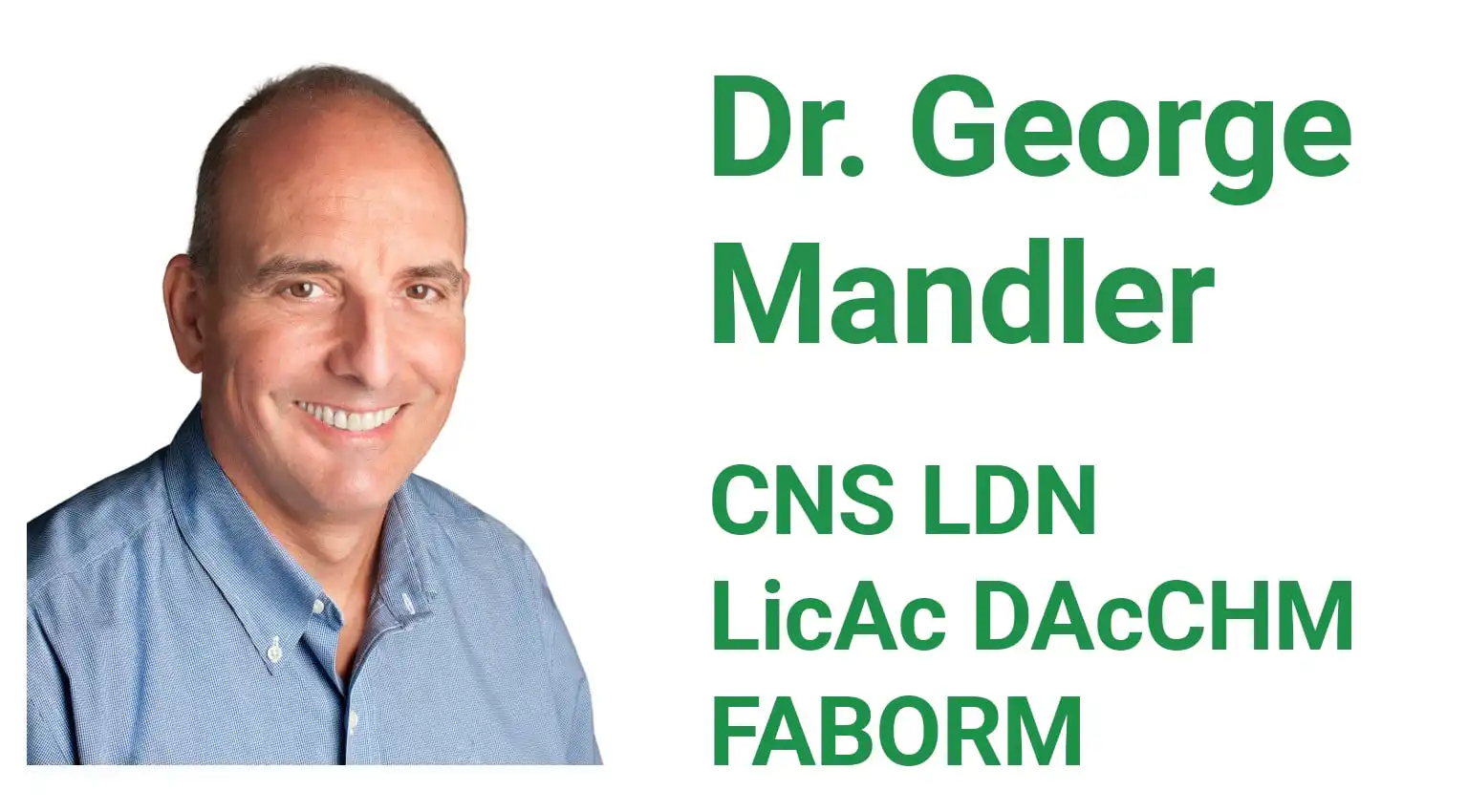
Dr George Mandler CNS LDN LicAc DAcCHM