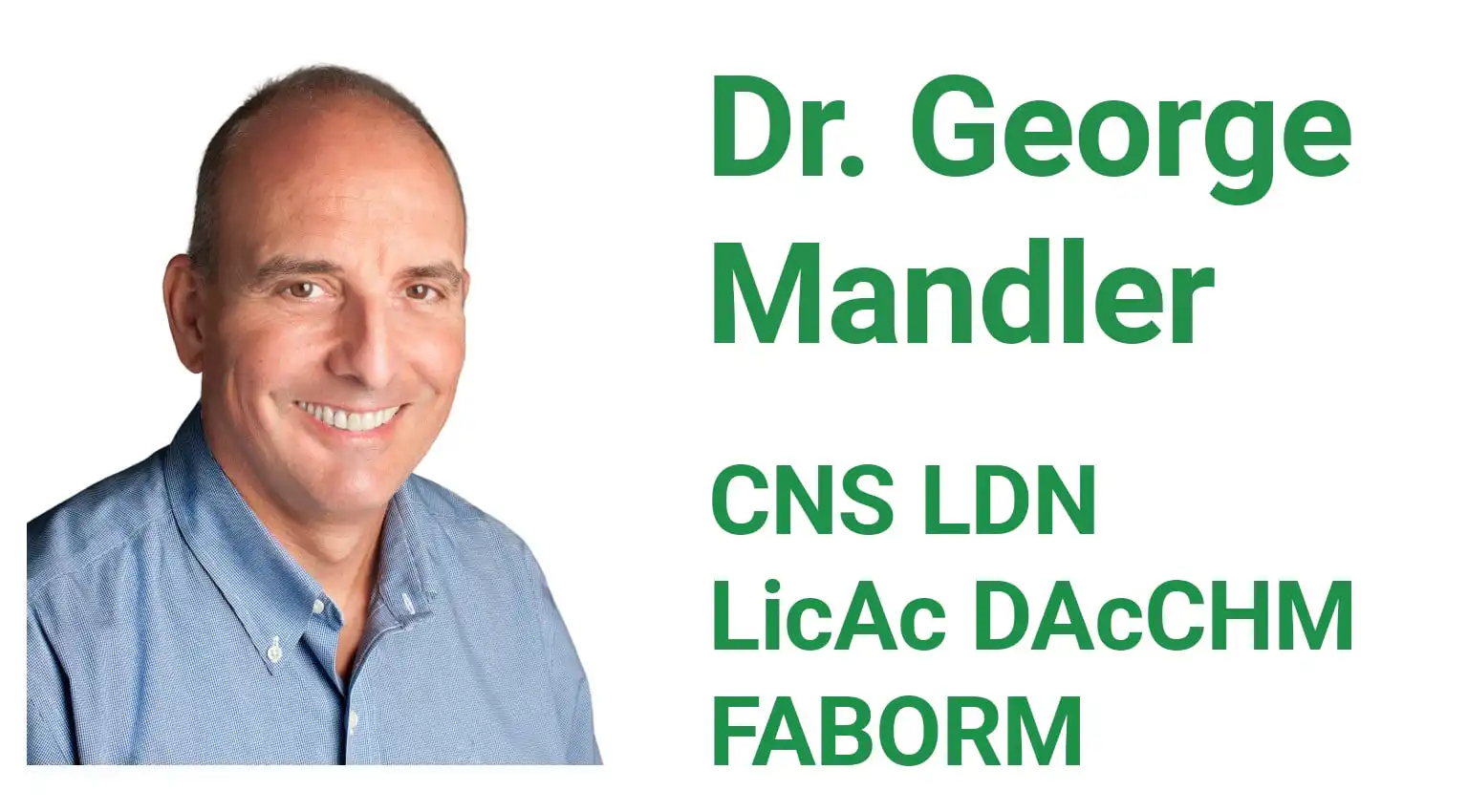

Irritable Bowel Syndrome (IBS) does not have a single cause — and that’s one of the reasons it can be so frustrating to treat. In my clinical experience, IBS develops from a combination of factors rather than one isolated issue. Stress, anxiety, food sensitivities, disrupted digestion, and nervous system imbalance are among the most common contributors I see.
My approach to IBS focuses on identifying why your digestive system is reacting the way it is, and then restoring normal function using acupuncture, Chinese herbal medicine, and targeted nutritional support.
Irritable Bowel Syndrome (IBS) Has Many Causes — and They Often Overlap
IBS rarely exists in a vacuum. Most patients I see have more than one contributing factor at play, even if one symptom seems dominant. The most common patterns I treat include:
Food sensitivities and impaired digestion
Chronic stress or anxiety affecting gut function
Nervous system dysregulation
Recurring bloating, gas, or altered bowel habits
A history of restrictive diets or repeated antibiotic use
Understanding which combination applies to you is the key to lasting improvement.
Food Sensitivities: Often a Result, Not the Root Cause
Food sensitivities are extremely common in IBS, but they are often misunderstood. While certain foods may trigger symptoms, the deeper issue is often a digestive system that is no longer breaking down food properly or tolerating a normal variety.
In practice, I often find that food sensitivities improve when we:
Strengthen digestive function through Chinese Medicine and Nutraceuticals
Reduce inflammation and gut reactivity
Calm the nervous system
Restore normal digestive signaling
Simply removing more and more foods may provide temporary relief, but it rarely solves the underlying problem—and can sometimes weaken digestion over time.
SIBO: A Symptom, Not the Root Problem
Small Intestinal Bacterial Overgrowth (SIBO) has become a very popular diagnosis in recent years. While SIBO is real, it is important to understand that it is usually not the root cause — it is a result of underlying dysfunction.
SIBO is not new. Descriptions of digestive patterns that closely resemble what we now label as SIBO appear in Chinese herbal medicine texts written over 1,800 years ago. The difference today is the name — not the physiology.
Conventional treatment often relies on:
A low-FODMAP or highly restrictive diet
Antibiotics or antimicrobial protocols
Many people feel better initially. However, symptoms frequently return once antibiotics are stopped or dietary restrictions are loosened, because the reason the overgrowth developed was never addressed.
By using acupuncture, Chinese herbal medicine, and nutritional therapy, I focus on correcting the underlying issues — such as impaired motility, weakened digestion, and nervous system imbalance — so that IBS and SIBO symptoms resolve without constantly chasing them.

Stress, Anxiety, and the Nervous System’s Role in IBS
Stress and anxiety play a major role in IBS — not because symptoms are “in your head,” but because digestion is directly regulated by the nervous system.
When the nervous system is stuck in a stress response, digestion suffers. Motility changes, sensitivity increases, and normal digestive signaling breaks down. This is why many people notice IBS symptoms worsen during stressful periods, travel, or emotional strain — even when their diet stays the same.
I find acupuncture to be one of the most effective tools for regulating the nervous system and restoring proper gut–brain communication. As the nervous system calms, digestive symptoms often improve naturally.
Chinese Herbal Medicine for Digestive Patterns
Chinese herbal medicine has an exceptionally long and well-documented history in the treatment of digestive disorders. We have over 1,800 years of recorded case studies, formulas, and clinical refinements that specifically address patterns closely aligned with modern IBS.
Rather than treating IBS as one condition, Chinese medicine evaluates individual digestive patterns — allowing treatment to be precise, personalized, and effective. When appropriate, I incorporate herbal formulas to support digestion, regulate bowel function, and reduce hypersensitivity.
This pattern-based approach is one of the reasons Chinese medicine works so well for IBS when other methods fall short.
My Approach to IBS Care
When you work with me for IBS, I look at the whole picture — not just isolated symptoms. We consider:
Digestive patterns and symptom history
Food reactions and dietary stress
Nervous system health
Energy, sleep, and overall resilience
What you’ve already tried — and why it may not have worked
Treatment is individualized, practical, and designed to evolve as your digestion strengthens and becomes more stable.
IBS may be complex, but it is highly responsive when treated in a supportive, regulating fashion.
Take the Next Step
You do not have to manage IBS indefinitely by avoiding foods, planning your life around symptoms, or hoping flare-ups won’t happen. With the right support, digestion can become calmer, more predictable, and far less reactive.
If you’re ready to address IBS by treating the underlying causes — not just managing symptoms — I invite you to schedule an appointment.