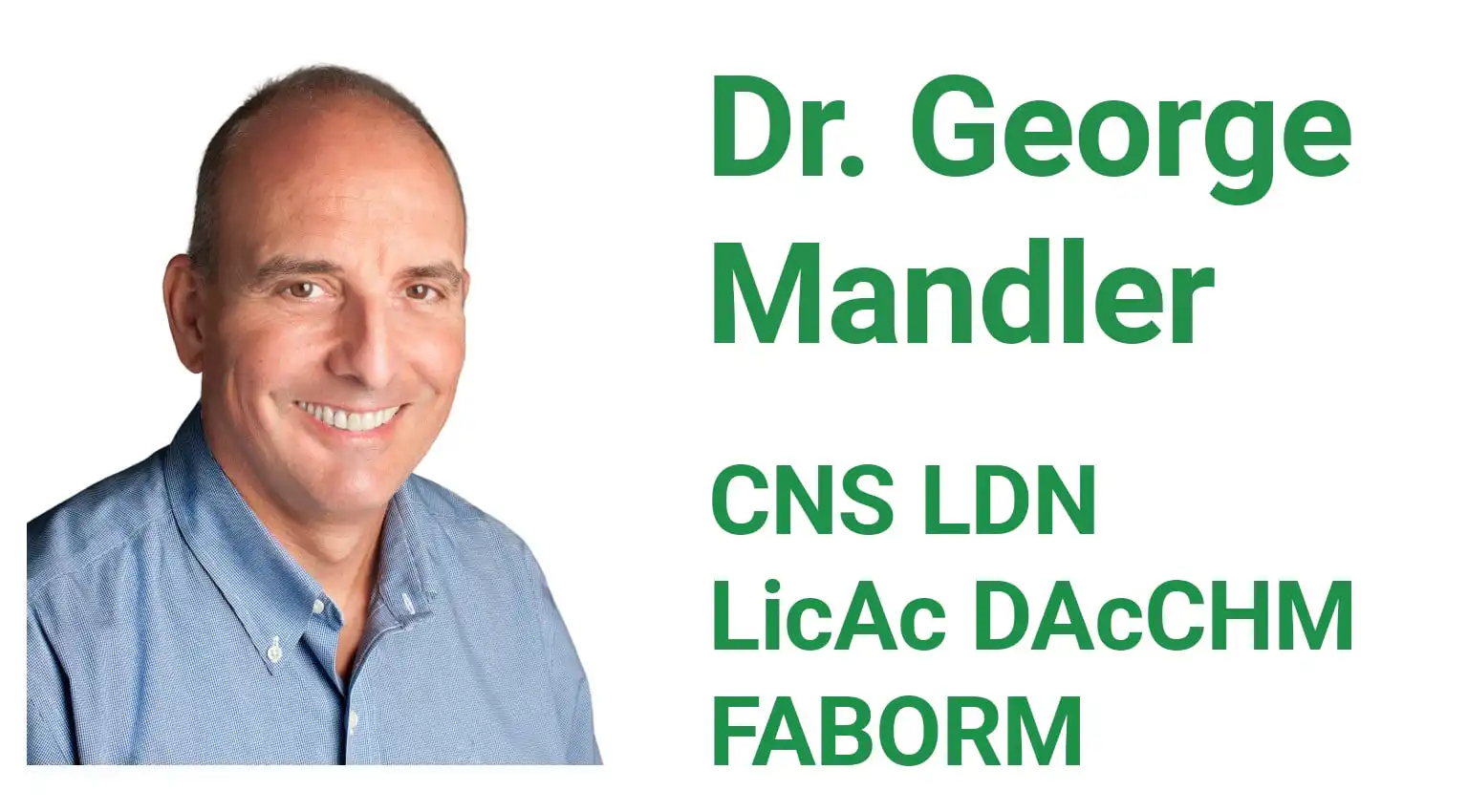
Ancient Wisdom Treats Modern Diseases

Saam Acupuncture Class Transcript

This is an AI transcript of the class I taught at the Saam Acupuncture Chautauqua, hosted by Michael Max and Qiological, in the summer of 2024. This is for practitioners new to the Saam acupuncture practice.   This is also a chapter in Michael Max’ Saam book.

Stepping into Saam Acupuncture– How to Navigate Treatments when “Saam doesn’t work”

Introduction

While Saam acupuncture offers remarkable results with its elegant four-needle approach, practitioners often encounter cases where treatments don’t seem to work as  expected. In this conversation, George Mandler shares his journey with Saam
acupuncture and provides insights into diagnosing difficult cases, recognizing when treatments aren’t working, and making effective adjustments. Drawing from years of clinical experience, George offers practical approaches to common challenges that arise when implementing this powerful yet sometimes perplexing system of acupuncture.

George’s Journey with Saam Acupuncture:

● First exposure to Saam came through Sharon Weizenbaum in September 2018
● Transitioned from Kiiko and Tung style acupuncture to 100% Saam acupuncture in January 2019
● First breakthrough case involved a pregnant patient with intense itching
● Learning process included online classes, podcasts, and in-person training with Toby Daly


That was kind of my first Saam ‘aha’ case. I mean, I’m sure we’ve all had that,
right? Like, ‘Oh my gosh, that really happened.


George’s introduction to Saam acupuncture came as a lightning bolt moment during a graduate mentorship program with Sharon Weizenbaum in September 2018. The brief mention of “six and five and acupuncture” immediately captured his attention, prompting him to order books by Jun Koo Youn and Sanghoon Lee that same day. His initial
self-treatment for groin pain yielded surprising results when he woke pain-free the next morning despite feeling no immediate change after the treatment. This experience foreshadowed a pattern he would observe repeatedly in his practice—Saam’s effects often manifest hours after treatment or the following day. The transition from his previous 14 years of practicing Kiiko and Tung style to exclusively using Saam acupuncture in January 2019 was dramatic. Where Kiiko might involve 30 needles across three treatments, Saam required just four acupuncture needles on one side of the body. Despite the simplicity, George found his results improved. His breakthrough case came with a pregnant patient suffering from a 30-day histamine reaction that had left her itchy and red. Following guidance from a colleague, he supplemented the Stomach channel, and the patient’s itching vanished immediately, with a visible reduction in redness during the treatment. This transformative experience solidified his commitment to mastering Saam acupuncture.


Essential Takeaways for Clinical Practice

● Trust the process of using just four acupuncture needles, even when transitioning
from techniques that use substantially more needles
● Allow time for effects to manifest, sometimes overnight or the next day
● Pay close attention to immediate feedback in the treatment room, such as
symptom reduction
● Document cases thoroughly to track which treatments work consistently
● Be willing to make a complete transition to the system to truly understand
its mechanisms

___________________________________________________________________

The Heart of Saam: Observation and Diagnosis

● Sitting with and observing patients is essential to accurate diagnosis
● Look beyond the surface presentation to understand the true pattern
● Diagnosis is the heart of Saam acupuncture
● Patient observation after needle insertion provides crucial feedback


When I go into the room, I ask what does my patient need in this moment?
Forgetting about what I’ve done, but what do they need right now?


The essence of Saam acupuncture lies in acute observation and accurate diagnosis.  George emphasizes how watching Toby Daly in clinical settings revealed the importance of sitting with patients and closely observing them before making diagnostic decisions. This approach echoes the concept of “qiao” (having a knack for something) mentioned in Sharon Sherman’s recent talk—the deliberate sitting and watching that precedes action. Rather than immediately applying a predetermined treatment protocol, this method requires practitioners to be fully present with each patient and determine their needs in
the moment. The diagnostic process extends beyond the initial assessment to include observation after needle insertion.

George instructs patients to take three gentle breaths “like an ocean wave” after placing needles, then watches for signs that they’re settling— changes in facial color, muscle relaxation, and the patient’s self-reported sense of ease. When patients don’t settle as expected, it suggests the diagnosis or channel selection might be incorrect. George advises practitioners not to be afraid to remove needles and try a different approach if patients show signs of discomfort or failed relaxation during treatment. This ongoing assessment during the treatment session provides valuable feedback about whether the selected channels are appropriate for the patient’s current needs.

Essential Takeaways for Clinical Practice

● Begin each session with quiet observation before deciding on treatment
● Ask yourself: “What does my patient need in this moment?” rather than
automatically continuing previous treatments
● Watch for facial color changes, muscle softening, and overall relaxation
after needle insertion
● Check specific points (e.g., Gallbladder 21) before and after treatment to
assess changes in tenderness
● If the patient doesn’t settle with treatment, be prepared to remove
needles and rediagnose

___________________________________________________________________

Keeping It Simple: The Power of Saam’s Framework

● Practitioners should resist the urge to complicate treatments
● Stay within the Saam framework rather than mixing with other systems
● Simplicity allows for clearer observation of treatment effects
● One-sided, four-needle treatments provide deep insight into how
channels function

Toby stresses this in his classes—to keep it simple, keep it simple. One thing I
saw on the forums that practitioners would start making it a little more complicated
than they needed it to be.

George emphasizes the importance of maintaining the simplicity of Saam treatments, especially for those new to the system. When transitioning from other styles that might use 30 needles across multiple treatments, the four-needle approach of Saam initially seems inadequate. However, this simplicity is precisely what allows practitioners to clearly observe how patients respond to specific channel treatments. By limiting variables, practitioners gain a deeper understanding of how individual channels affect the body and how patients respond to particular treatments.

The temptation to add additional points or incorporate concepts from other acupuncture theories is common among new Saam practitioners. George strongly advises against this and recommends strict adherence to the framework taught by Toby Daly in the Buddhist monastic tradition. When treatments don’t seem to work, rather than adding more points or mixing systems, George suggests removing needles, reconsidering the diagnosis, and trying a different channel approach. This preserves the elegance of the system and maintains clear feedback about what works. The process of keeping treatments simple also helps practitioners develop confidence in the system’s effectiveness, even when using substantially fewer needles than they might be accustomed to in other acupuncture styles

Essential Takeaways for Clinical Practice

●Limit treatments to one channel (four needles) when first learning the  system
When unsure between channel choices, treat one, observe results, then try  the other in subsequent sessions
Avoid adding extra points from other systems when Saam treatments don’t seem effective
Instead of complicating treatments, improve diagnosis skills and point  location accuracy
Trust that a well-chosen four-needle treatment can be more effective than  more complex approaches
___________________________________________________________________

Addressing Adverse Reactions and Treatment Responses

Distinguish between true adverse reactions and normal healing responses
Pain that worsens immediately after treatment often improves  significantly later
Pain that moves to a different location usually indicates positive progress
The paired channel can effectively mitigate adverse effects
If something new crops up that doesn’t seem like a good positive result, I might have them come in
pretty quick… but if I’m sure of my diagnosis and it’s deep-seated and that main
complaint gets worse right after the treatment, I’ll often just say, ‘Check in with
me in the morning and see how you are doing as your body may be adjusting and sometimes
symptoms get worse before they get better.
George addresses the sometimes confusing territory of adverse reactions versus normal healing responses in Saam acupuncture. He shares that when pain temporarily worsens after treatment, especially with chronic conditions, it often indicates that the treatment is working and the condition will improve within 24-48 hours. Similarly, when pain moves
from one location to another (such as from the shoulder to the elbow), this typically signals that the pathology is moving outward and resolving. These responses, while concerning to patients, actually can represent positive progress. True adverse reactions do occur, however, and George emphasizes the importance of addressing them promptly. He shares several case examples, including treating himself with Heart supplementation that resulted in a nosebleed, and treating his wife supplementing Pericardium that caused nausea and illness. In both cases, applying the paired channel (Urinary Bladder for George, Gallbladder for his wife) immediately resolved the adverse effects. This demonstrates one of Saam’s remarkable features—the ability to use the paired channel as an “antidote” when treatments cause unwanted effects. George advises keeping treatments simple precisely because when adverse reactions occur with multiple channels, it becomes difficult to determine which pairing to use for correction.

Essential Takeaways for Clinical Practice

Educate patients that temporary worsening of symptoms may occur before improvement
Consider pain that moves locations a positive sign rather than an adverse reaction
If symptoms worsen after treatment, have patients check in the next morning before intervening
When true adverse reactions occur, promptly treat with the paired channel
Keep initial treatments simple (one channel only) to make corrections  straightforward if needed
Advise patients to avoid other treatments (chiropractic, massage, etc.) for  48 hours after Saam to allow the treatment to fully integrate
___________________________________________________________________

Point Location and Needle Connection

Precise point location is crucial for Saam effectiveness
When diagnosis seems correct but treatment doesn’t work, check point location
Points must truly connect energetically, not just be anatomically correct
Kidney 10 particularly requires precise placement for results
Needle location is so important. I’ve seen this in my clinic quite a bit… if you’re
off on a point, it might not work. Make sure you actually connect to the points
you needle— you can feel it.
A critical factor in Saam acupuncture’s effectiveness is precision in point location. George emphasizes that even when the channel diagnosis is correct, treatments may fail if needles aren’t precisely placed. He shares a compelling case where a patient with Gallbladder excess showed no improvement after Pericardium supplementation until he readjusted KD10, at which point the patient experienced immediate relief. This illustrates how a millimeter’s difference in needle placement can completely change treatment outcomes.
George notes that practitioners should develop a sense of when they’ve truly “connected” with a point— not just placed the needle in the anatomically correct location. This connection manifests as tissue response, patient sensation, or a subtle practitioner perception that the point has been engaged. For those new to Saam, George recommends watching Toby Daly’s detailed point location videos available online. He specifically highlights KD10 as a point with significant therapeutic potential when needled correctly, sharing an example of a patient whose atrial fibrillation immediately normalized when this point was properly engaged. The importance of this precision underscores the need for practitioners to continually refine their needling techniques and develop sensitivity to when points are truly activated.

Essential Takeaways for Clinical Practice

Study detailed point location guides and videos, particularly Toby Daly’s  Qiological video on Saam point locations
When treatments don’t work despite confident diagnosis, recheck and adjust point locations
Develop sensitivity to when a point has been properly “connected” versus simply inserted
Pay particular attention to Kidney 10 placement, which may require  adjustments based on individual anatomy
Consider that some points (like Kidney 10) contain significant nerve bundles that, when properly engaged, produce immediate effects
___________________________________________________________________

Channel Pairings and Diagnostic Information

● Pericardium-Gallbladder dynamics relate to inward versus outward energy expression
Liver-San Jiao pairing concerns rule-following versus flexibility
Heart-Urinary Bladder considerations include hyper/hypo function and moisture/dryness
Kidney-Small Intestine balances consolidating versus moving 
Spleen-Large Intestine addresses the fluid dynamics of moisture and dryness
Looking at the Pericardium-Gallbladder dynamic—what do I feel? Is it outward
or is it inward? And then also facial features… Is it more concave, flat? That’s
one aspect Toby has taught.
George explores the subtle diagnostic considerations for each of the major channel pairings in Saam acupuncture. For the Pericardium-Gallbladder dynamic, he emphasizes observing whether energy moves outward (Gallbladder excess) or inward Pericardium excess). Patients with Gallbladder excess typically present with strong facial features, intense eye contact, and tightness in points like GB21 and the IT bands. When supplementing Pericardium for these patients, practitioners should observe immediate softening in these areas as confirmation of correct diagnosis.
The Liver-San Jiao pairing involves observing whether patients are rigid rule-followers (San Jiao excess) or display emotional depression and constraint (Liver excess). While politeness often indicates San Jiao excess, George cautions that upbringing and cultural factors can make this confusing. Instead, he recommends looking at the eyes—not just their color, but the quality of Shen expression—to determine whether energy is moving outward or appears suppressed. Additional considerations include temperature differentials (heat above/cold below often indicates sanjiao excess) and tenderness at specific points like SJ14 and SJ15. George notes that medications like SSRIs can mask these presentations, making diagnosis more challenging in medicated patients.

Essential Takeaways for Clinical Practice

●For Pericardium-Gallbladder assessment, palpate GB21, IT bands, and shoulders for tension
With Liver-San Jiao diagnosis, look beyond politeness to the quality of eye contact and emotional expression
For Heart-Urinary Bladder, assess pulse quality (thin, rapid suggests Heart excess) and skin moisture
Don’t assume cold patients always need Heart supplementation—assess overall presentation
With Kidney-Small Intestine, elderly patients often benefit from Small Intestine first to move blood before consolidating with Kidney
Use palpation of specific points (GB21, SJ14/15, Oketsu, SI10) to help confirm  channel diagnosis
___________________________________________________________________

Palpation as a Diagnostic Tool

Specific point palpation provides reliable diagnostic information
Under the left ribs for Liver issues, right ribs for Lung issues
Oketsu sign strongly indicates Small Intestine treatment is needed
IT band/GB21 tightness suggests Pericardium supplementation
If I’m trying to figure out what pairs to use or what is most important, there are
certain points that I use to check. And I… only shared the ones I feel confident
about.
George has developed reliable palpation techniques to confirm channel diagnoses in Saam acupuncture. While visual observation provides the foundation, physical palpation offers concrete verification. One of his most consistent findings is the Oketsu sign—sharp pain to the left of the umbilcus—which reliably indicates Small Intestine channel needs treatment. When this point is tender, supplementing Small Intestine on the opposite side often produces immediate relief, creating dramatic “Saam moments” that build patient trust in the system.
For the Pericardium-Gallbladder pairing, George consistently checks GB21, GB20, and the IT bands. Extreme tension in these areas frequently indicates gallbladder excess that responds well to Pericardium supplementation. After needling, he rechecks these areas, with softening confirming successful treatment. For Liver-San Jiao assessment,tenderness at SJ14/15 often indicates San Jiao excess that responds well to Livertonification. George supplements these palpation findings with tongue and pulse observations—looking for signs of dampness, dryness, or yang deficiency to help clarify the diagnosis when visual signs are ambiguous. This integrated approach combines the specialized Saam diagnostic framework with traditional Chinese medicine assessment methods.

Essential Takeaways for Clinical Practice

Check for Oketsu to confirm the Small Intestine needs treatment
Palpate GB21 and IT bands to assess Gallbladder excess
Test points before and after treatment to confirm improvement
Incorporate tongue and pulse assessments to clarify ambiguous cases
For suspected dampness, check tongue coating and pulse quality
Use multiple diagnostic approaches rather than relying on a single sign
___________________________________________________________________

Conclusion

George Mandler’s insights into troubleshooting Saam acupuncture reveal both the elegance and the complexity of this powerful system. At its core, successful Saam practice requires keen observation, diagnostic precision, and the courage to maintain simplicity when treatments don’t initially succeed. Rather than complicating treatments with additional needles or concepts from other systems, practitioners are encouraged to refine their diagnosis, check point locations, and observe patients’ responses during and after treatment. The paired channel relationships provide both therapeutic options and
emergency measures when adverse reactions occur.
The practical applications George shares offer valuable guidance for both new and experienced Saam practitioners. From recognizing when temporary worsening of symptoms is actually a positive sign, to understanding the importance of precise point location, to identifying reliable palpation findings that confirm channel diagnoses—these insights directly enhance clinical effectiveness.
Perhaps most importantly, George’s experiences highlight the transformative power of Saam’s simple four-needle approach and the wisdom of trusting this elegant system when practiced with precision and careful observation. His journey demonstrates that mastering Saam requires not just technical skill, but also the patience to observe, the willingness to adjust, and the confidence that profound healing can arise from minimal intervention.

Resources

Books by Jun Koo Youn and Sanghoon Lee on Saam acupuncture
Toby Daly’s point location videos on Qiological/Net of Knowledge
Qiological recordings featuring Toby Daly discussing Saam theory and application
The discussion forum at www.saambenevolentsociety.org
Kristen Wisgirda’s class on eye diagnosis on Qiological/Net of Knowledge
White Pine Circle educational resources
The Saam Acupuncture Tradition: Classical Roots and Clinical Application by Toby Daly


Skip to content