A study was released today in the Amercian Journal of Clinical Nutrition that concluded that long term cocoa powder may increases HDL-cholesterol and reduces LDL oxidative susceptibility. …translated into simpler terms the LDL oxidation is one of the real markers for oxidative damage. Oxidized LDL is one of those nasty free radicals we hear about. Having high LDL alone may not be awful, but if it is combined with high oxidation (i.e. you have lots of free radicals), then it can cause damage. There are many ways to measure a body’s oxidative load. I use a first mornings urinary test to determine metabolic activity overnight, from this data we can interpolate the amount of oxidative stress you are under.
But back to this study…what is amazing is that this wasn’t just bitter cocoa that was given. Cocoa powder was prepared by roasting, cracking, and compressing fermented and dried cacao beans imported from Ecuador and then 12g of sugar was added. The subjects were divided into 2 groups according to BMI, and plasma total, LDL, and HDL cholesterol concentrations and were then instructed to consume one of the following test drinks daily for 12 wk: 12 g sugar/d (control group) or a mixture of 26 g cocoa powder and 12 g sugar/d (cocoa group). The subjects had the cocoa before noon and in the afternoon for 82 days. So they didn’t just give them cocoa or dark chocolate they also had sugar with it and still got benefit. This is about the equivalent of one serving my favorite organic dark chocolate bars Green&Blacks.
The authors concluded: “…the present study showed that daily intake of cocoa powder decreased the susceptibility of LDL to oxidation and increased HDL-cholesterol concentrations in plasma in humans. Plasma HDL-cholesterol concentrations correlated negatively with plasma oxidized LDL, whereas plasma oxidized LDL concentrations correlated negatively with excretion of urinary epicatechin.” Epicatechin is a polyphenol found in teas, cocoa, wine, fruit, veggies that is an antioxidant and known to help with cardiovascular risk. It is known that HDL is an antioxidant (which is why it is also known as ‘good’ cholesterol, really a misnomer because we need both types). This increase in HDL may reduce the levels of LDL and in particular the oxidized LDL.
What does this mean? Balance. Dark chocolate bars aren’t a bad thing. They had about 1 serving per day. But look for Fair-Trade organic cocoa as the harvesting of cocoa is devastating to the environment and small farmers. The Fair-Trade label at least gives some sort of hope that it has integrity. What are your favorite dark chocolates???
In Health,
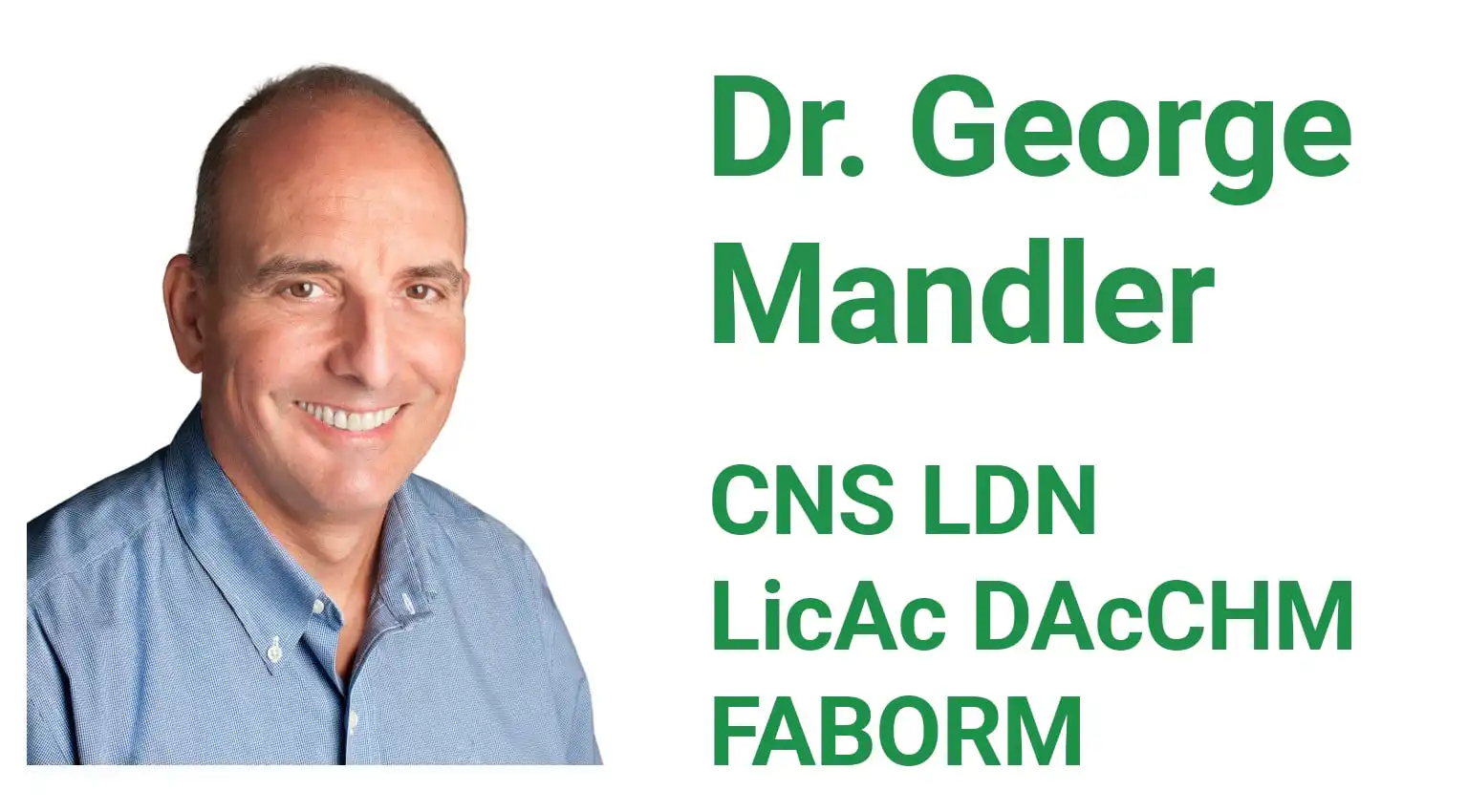
George Mandler
Licensed Acupuncturist & Nutritionist Dietitian
Acupuncture, Chinese Medicine, & Nutrition
Boston, Jamaica Plain, Brookline, Massachusetts