
Choosing an acupuncturist is about more than finding an appointment close to home. When you have been dealing with persistent pain, digestive problems, hormonal concerns, or other ongoing health issues, you want someone who takes the time to understand your symptoms and considers your individual health history.
I often find that people come to acupuncture after trying several approaches without getting the answers they were hoping for. In these situations, understanding the bigger picture can be just as important as addressing the symptoms themselves.
If you are considering acupuncture in Belmont, there are several things worth looking at before choosing a practitioner, from professional qualifications and treatment methods to communication and the overall approach to care.
What Should You Look for in an Acupuncturist in Belmont?
Not every acupuncture practitioner works in the same way. Training, clinical experience, treatment style, and the way a practitioner evaluates your health can all influence your experience.
Here are a few important factors to consider.
1. Check Professional Qualifications and Experience
Start by checking whether the practitioner is appropriately licensed to practice acupuncture in Massachusetts. You may also want to understand their educational background, additional certifications, and areas of clinical interest.
Experience matters, but it is equally important to find someone who continues to learn and adapts their approach to the person in front of them.
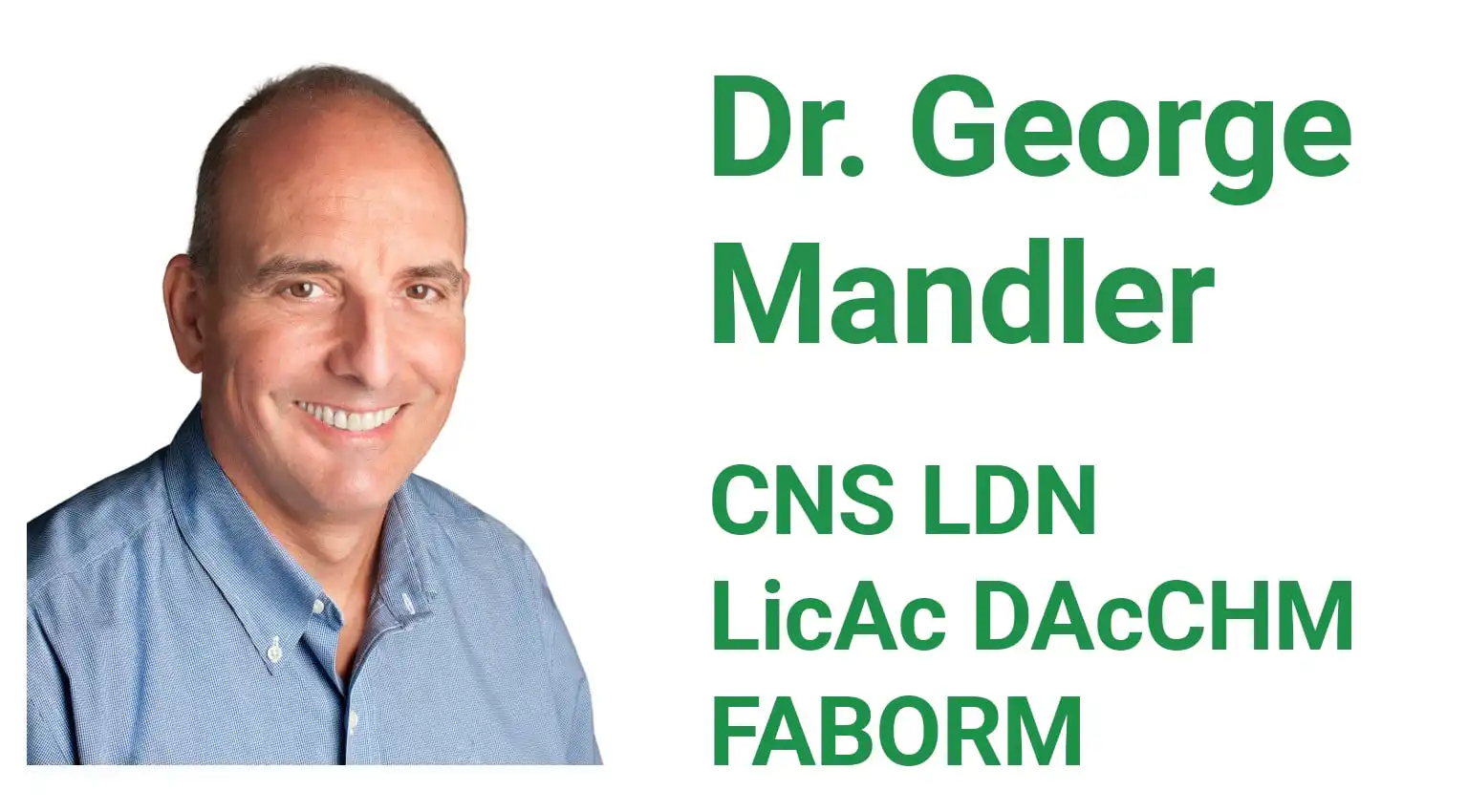
I have been practicing acupuncture since 2006 and have taught nutrition at the New England School of Acupuncture since 2007. My background includes acupuncture, Chinese herbal medicine, and nutrition, allowing me to consider different aspects of a person’s health when developing an appropriate treatment plan.
When researching an acupuncturist, look beyond titles alone. Consider whether their training and experience are relevant to your particular concerns.
2. Look for an Individualized Treatment Approach
Two people can experience similar symptoms for very different reasons. For example, digestive discomfort may be associated with dietary factors, stress, changes in bowel function, or several contributing factors at once.
A thoughtful practitioner will ask questions about your symptoms, medical history, lifestyle, and treatment goals rather than applying exactly the same protocol to everyone.
In my clinical practice, I look at the overall pattern of symptoms and the factors that may be contributing to them. Depending on the individual, this may involve acupuncture, Chinese herbal medicine, nutritional assessment, or a combination of approaches when appropriate.
The goal is not to add as many treatments as possible. It is to identify which approaches are relevant to your needs.
3. Understand the Acupuncture Style Being Used
Acupuncture includes different treatment systems and techniques. The number of needles used, the points selected, and the reasoning behind treatment can vary considerably between practitioners.
Much of my practice incorporates Korean Saam acupuncture, a system that uses a relatively small number of carefully selected points. Rather than relying on a large number of needles, this approach focuses on selecting points according to the individual treatment pattern.
The style of acupuncture is worth discussing during your initial appointment. Ask how the practitioner chooses treatment points, what sensations you might experience, and how the approach will be adapted to your comfort and health concerns.
You should feel comfortable asking questions and understanding the reasoning behind your treatment.
4. Consider Whether the Practitioner Looks Beyond Individual Symptoms
Sometimes a health concern involves more than one contributing factor. Someone experiencing recurring digestive problems, for instance, may also be dealing with food-related symptoms, poor sleep, or ongoing stress.
This does not mean every symptom has a single underlying cause. It means that a broader assessment may help identify relevant factors that deserve attention.
My approach combines acupuncture with Chinese herbal medicine and individualized nutrition support when appropriate. As a licensed dietitian/nutritionist as well as an acupuncturist, I can consider dietary patterns and nutritional needs alongside other aspects of a patient’s health.
Not everyone needs all three approaches. The appropriate plan depends on the person’s circumstances, and conventional medical evaluation remains important when symptoms require further investigation.
5. Ask What to Expect During Your First Appointment
Knowing what happens during an initial visit can make it easier to decide whether a practitioner is a good fit.
During my initial appointments, I take time to understand the patient’s health history, current symptoms, previous treatments, and goals. We discuss the concerns that brought them in and consider whether acupuncture or other aspects of my practice may be appropriate.
When suitable, treatment may begin during the first visit.
Acupuncture uses very fine, sterile, single-use needles placed at specific points on the body. Sensations vary, but many people experience little discomfort. Your practitioner should explain the process, answer your questions, and make adjustments based on your comfort.
You should also have an opportunity to discuss practical matters such as treatment frequency, expected costs, and how progress will be evaluated.
6. Choose a Practitioner Who Communicates Clearly
A good practitioner-patient relationship should involve open communication and realistic expectations.
Be cautious of anyone who guarantees a particular outcome or promises that a complex condition will resolve within a fixed number of sessions. Responses to acupuncture and other therapies vary, and no responsible practitioner can guarantee the same result for every person.
Treatment frequency depends on factors such as the condition being addressed, how long symptoms have been present, and how you respond. Your plan should be reviewed as your needs change rather than continued automatically.
You should understand why a treatment is being recommended, what it is intended to address, and when further evaluation may be necessary.

How Can You Find the Best Acupuncturist in Belmont for Your Needs?
When comparing practitioners, it helps to focus on suitability rather than relying on a single ranking or online review.
Consider these questions:
- Is the practitioner licensed and appropriately trained?
- Do they have experience relevant to your health concerns?
- Do they take time to understand your individual circumstances?
- Can they explain their treatment approach in a way you understand?
- Are the potential benefits, limitations, and costs discussed clearly?
- Do they recognize when conventional medical assessment or collaboration with another healthcare professional may be appropriate?
Online reviews can provide useful information about other patients’ experiences, communication, and the appointment process. However, reviews cannot guarantee that a particular treatment will be right for you.
The best choice is a practitioner whose qualifications, experience, communication style, and approach to care align with your needs.
When Might Acupuncture Be Worth Considering?
People explore acupuncture for a variety of concerns, including chronic pain, muscle tension, digestive symptoms, stress-related complaints, and certain aspects of reproductive and women’s health.
The suitability of acupuncture depends on the condition and the individual. Evidence for effectiveness varies across conditions, and acupuncture should not replace necessary medical diagnosis or treatment.
In my practice, I work with people experiencing ongoing digestive concerns such as bloating and IBS, fertility and reproductive health concerns, chronic pain, and other complex health issues. When appropriate, I consider whether acupuncture, Chinese herbal medicine, nutrition, or a combination of these approaches may be useful.
The first step is to understand your situation and determine whether the services offered are appropriate for your goals.
Acupuncture in Belmont: What to Know Before Booking
If you live in Belmont or a nearby community, finding a practitioner with a convenient appointment location can make ongoing care easier to manage.
I see patients at OM NamoCenter in Cushing Square, Belmont, on Wednesdays. My practice focuses on individualized acupuncture, Chinese herbal medicine, and nutrition support, with recommendations based on each patient’s health history and needs.
If you would like to learn more about my approach, visit my Belmont acupuncture service page. You can find additional information about my background, treatment methods, and appointments available at the Belmont location.
When searching for an acupuncture Specialist in Belmont, remember that professional qualifications are only one part of the decision. A practitioner’s ability to listen, explain treatment options, and develop a plan that reflects your individual circumstances is equally important.
Frequently Asked Questions
Is acupuncture safe?
Acupuncture is generally considered safe when performed by a properly trained practitioner using sterile, single-use needles. Side effects can occur, including temporary soreness, minor bleeding, or bruising. Discuss your medical history and any relevant health concerns before treatment.
How many acupuncture sessions will I need?
There is no universal number of sessions. Your treatment plan depends on your condition, symptom duration, goals, and response to care. Your practitioner should discuss an appropriate schedule and reassess progress over time.
Does acupuncture hurt?
Most people tolerate acupuncture well. You may notice a brief sensation when a needle is inserted, followed by a mild ache, tingling, or heaviness. Experiences differ, and you should tell your practitioner if you feel uncomfortable.
Do I need Chinese herbal medicine alongside acupuncture?
No. Herbal medicine is not necessary for every patient. Whether it may be appropriate depends on your individual circumstances, medications, health history, and treatment goals. Discuss potential benefits, risks, and interactions with a qualified healthcare professional.
Where can I get acupuncture in Belmont, MA?
I see patients at OM NamoCenter, 93 Trapelo Road, in Cushing Square, Belmont, MA, on Wednesdays. To learn more about appointments, visit the Belmont acupuncture page or call 617-913-5970.
Take the Next Step
Choosing an acupuncturist is a personal decision. Take the time to review the practitioner’s qualifications, understand their approach, and ask questions about what treatment may involve.
If you are considering acupuncture in Belmont and would like to explore an individualized approach that may include acupuncture, Chinese herbal medicine, and nutrition support, I invite you to learn more about my practice.